
From Spore to Plate: Why You Should Try Growing Mushrooms at Home
There’s something inherently magical about mushrooms. They aren’t plants, they aren’t animals, yet they thrive in the most fascinating ways, transforming organic matter into delicious, earthy delights. And what if I told you that you don’t need a deep forest or a specialized farm to cultivate these culinary wonders? You can bring the fascinating world of mycology right into your home!
Growing your own mushrooms might sound intimidating, but it’s an incredibly rewarding and surprisingly accessible hobby. Forget the image of sterile labs and complex equipment; for many popular varieties, all you need is a little know-how, the right environment, and a touch of patience.
Why Grow Your Own Fungi?
Before we dive into the “how,” let’s talk about the “why”:
Unbeatable Freshness & Flavor: Store-bought mushrooms are often a few days old by the time they reach your kitchen. Freshly harvested mushrooms, picked just moments before cooking, have a remarkable depth of flavor and a superior texture that you simply can’t buy.
Sustainability & Local Food: Reduce your carbon footprint! Growing your own mushrooms means zero transportation emissions and often utilizes recycled materials like coffee grounds or sawdust as a substrate.
Educational & Engaging Hobby: It’s a fantastic way to learn about the life cycle of fungi, their environmental needs, and the subtle art of cultivation. It’s also a wonderfully calming and satisfying process to watch.
Cost-Effective (Over Time!): While initial setup costs might exist, especially if you start with kits, you’ll quickly find that growing your own can be more economical than continuously buying exotic varieties from the store. Plus, many flushes (harvests) can come from a single block!
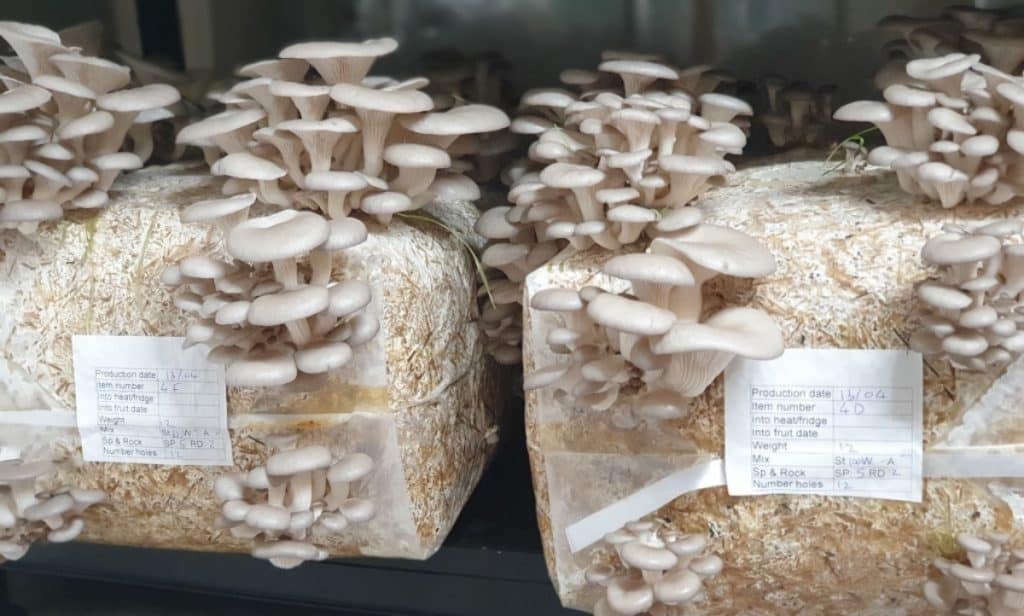
Aesthetic Appeal: Let’s be honest, watching a block of mycelium erupt into a beautiful cluster of oyster mushrooms or delicate lion’s mane is incredibly cool and makes for great conversation.
Getting Started: Your First Sprout of Knowledge
For beginners, the easiest and most reliable way to start is with a pre-inoculated mushroom grow kit. These kits take out much of the guesswork and provide you with a block of substrate (like sawdust or straw) that’s already colonized with mushroom mycelium.
Here’s a simplified overview of the process for most beginner-friendly kits:
Choose Your Kit: Popular choices for beginners include Oyster Mushrooms (pink, blue, yellow), Lion’s Mane, and Shiitake. Oyster mushrooms are often the fastest and most forgiving.
Activate the Block: Follow the kit’s specific instructions. This usually involves cutting a slit or removing a section of the plastic bag the block comes in, exposing the mycelium to air.
Create the Right Environment: This is the most crucial part!
Humidity: Mushrooms love humidity. Most kits require frequent misting (several times a day) with a spray bottle or placing the kit in a humidity tent (a clear plastic bag with a few air holes).
Temperature: Room temperature (around 65-75°F or 18-24°C) is ideal for many common varieties. Avoid direct sunlight or very cold drafts.
Airflow: While humidity is important, so is fresh air. Don’t seal your kit completely; mushrooms “breathe” and need fresh oxygen while expelling CO2.
Light: Indirect light is sufficient. Think ambient indoor light, not direct sun. Mushrooms don’t photosynthesize like plants, but light helps them orient and develop properly.
Watch for “Pinning”: Within a week or two (sometimes sooner!), you’ll start to see tiny bumps or clusters forming where you cut the bag. These are the “pins,” the baby mushrooms!
Harvest: Once the mushrooms have grown to a good size – often when the caps flatten out or just before they start to curl upwards – it’s time to harvest. Gently twist or cut them at the base.
Second Flush (and Beyond!): Many kits will produce multiple “flushes” of mushrooms. After your first harvest, you might need to re-soak the block in water for a few hours to rehydrate it, then return it to its humid environment to encourage more growth.
Tips for a Bountiful Harvest
Patience is a Virtue: Mycology operates on its own timeline. Don’t get discouraged if things don’t happen instantly.
Cleanliness is Key: While you don’t need a sterile lab for kits, wash your hands before handling the block and keep your spray bottle clean. This minimizes the risk of contamination from competing molds.
Mist, Mist, Mist: Err on the side of more misting, especially in dry environments.
Learn Your Mushroom: Each variety has slightly different needs. Research your specific kit’s requirements.
Don’t Over-Harvest, Don’t Under-Harvest: Pick mushrooms when they are mature but before they start to drop spores or get too old.
Beyond the Kit: The Next Frontier
Once you’ve mastered a few kits, you might be ready to explore more advanced techniques:
Growing from Spores or Liquid Culture: This allows you to choose from a wider variety of fungi.
Sterilizing Your Own Substrate: Learning how to prepare and sterilize materials like sawdust, grains, or straw.
Outdoor Mushroom Beds or Logs: For varieties like Shiitake, Wine Cap, or even more robust types, outdoor cultivation can be a long-term, low-maintenance option.
The journey into growing mushrooms is one of discovery, delight, and deliciousness. There’s an incredible satisfaction in watching these mysterious organisms emerge and knowing you played a part in bringing them to your plate. So, what are you waiting for? Grab a kit, embrace the fungi frontier, and prepare to be amazed!