
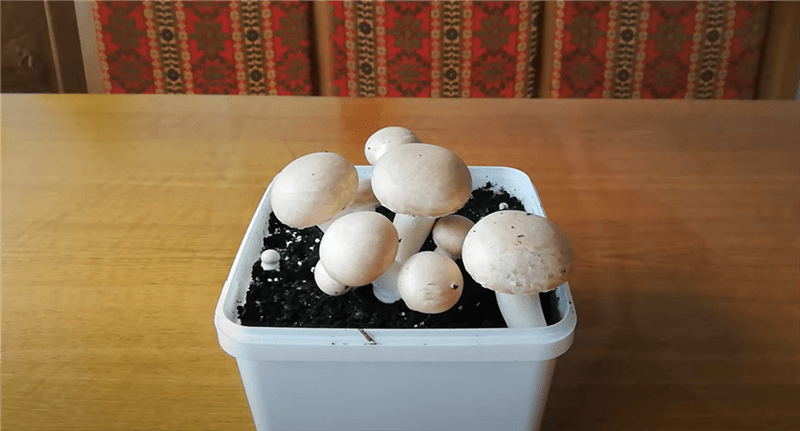
From Spore to Supper: Your Guide to Looking After Your Growing Mushrooms
There’s something incredibly rewarding about coaxing life from the seemingly inert, and growing your own mushrooms is a prime example. Whether you’re a seasoned mycophile or a curious beginner, the journey from spores to a delicious edible fungus is a fascinating one. But like any living thing, your mushroom cultivation project needs a little TLC. So, let’s dive into the essential “look after” advice for your growing mushroom empire!
- The Foundation: Your Substrate and Environment
Before we even think about looking after, let’s reconfirm the basics. Your mushrooms are growing on a substrate – the nutrient-rich bed that provides them with everything they need. This could be anything from sawdust and straw for some varieties to compost for others.
The environment surrounding your substrate is equally crucial. Mushrooms are fussy! They thrive in specific conditions, primarily:
Temperature: Most edible mushrooms prefer moderate temperatures, typically between 60-75°F (15-24°C). Avoid drastic fluctuations.
Humidity: This is paramount! High humidity (often 80-95%) is essential for fruiting. Too dry, and your mushrooms will stall or abort. Too wet, and you risk contamination.
Fresh Air Exchange (FAE): While they love humidity, mushrooms also need to “breathe” fresh air. Stale air can lead to leggy, weak growth and potential issues.
Light: Most edible mushrooms don’t need direct sunlight, but a bit of indirect natural light or a low-wattage grow light can signal to them that it’s time to fruit.
- The Waiting Game: Patience is a Virtue
Once your spawn has colonized your substrate, you’ll often enter a “colonization” phase. This is where you essentially leave it alone to let the mycelium (the root-like structure of the fungus) spread and strengthen. Resist the urge to poke and prod constantly! This is where patience truly pays off.
- The Magic of Fruiting: Triggering the Surprise
The transition from colonization to fruiting is often triggered by a change in environmental conditions. For many species, this involves introducing:
A “shock”: This could be a slight drop in temperature, increased humidity, or even a period of darkness followed by light.
Increased humidity and FAE: Once you see tiny pins (baby mushrooms) forming, your focus shifts to maintaining optimal fruiting conditions.
- Looking After Your Growing Mushrooms: The Daily Patrol
This is where the active “looking after” comes in. Think of yourself as a watchful guardian:
Monitor Humidity: This is your number one priority.
Misting: Gently mist your grow area (not directly on the developing mushrooms if possible) with filtered or distilled water a few times a day, or as needed, to maintain that foggy, humid atmosphere.
Humidity Domes/Tents: If you’re using a grow tent or a humidity dome, ensure it’s sealed enough to trap moisture but allows for FAE.
Provide Fresh Air:
Cracking the Lid: If you have a monotub or similar setup, you’ll need to periodically “burp” it to allow stale air out and fresh air in.
Small Fans: In larger setups, a small, oscillating fan on a low setting in the room can help with air circulation.
Observe for Growth: Keep an eye on your pins. Are they developing evenly? Are they looking healthy?
Watch for Contamination: This is the mushroom grower’s nemesis. Look for any signs of other molds (green, black, orange) or strange bacterial growth. If you spot contamination, act quickly! Isolate the affected area if possible, and be prepared to discard the entire grow in severe cases.
Maintain Consistent Temperature: As mentioned, avoid extreme temperature swings. A simple room thermometer is your friend.
Gentle Light: Don’t overthink the light. A windowsill with indirect light or a grow light on a timer for a few hours a day is usually sufficient.
- Harvesting: The Sweet Reward
The moment you’ve been waiting for! Harvesting is an art in itself.
When to Harvest: Mushrooms are typically ready when their caps have opened but before they release too many spores. This often means the veil underneath the cap is starting to stretch or break.
How to Harvest: Gently twist and pull the mushroom from the substrate. Some growers prefer to cut them at the base with a sharp knife or scissors.
Cleanliness is Key: Always harvest with clean hands or tools to avoid introducing contaminants to your substrate, as you might get subsequent flushes.
- Post-Harvest Care: The Next Flush
Many mushroom blocks and logs can produce multiple “flushes” (harvests). To encourage this:
Rehydrate: After harvesting, soaking your substrate in cool, filtered water for a few hours can often revitalize it for another flush.
Maintain Conditions: Continue to provide optimal humidity and FAE.
Key Takeaways for Happy Fungi:
Cleanliness is paramount: From your initial setup to harvesting, maintain a sterile environment.
Humidity is king: Master the art of misting and humidity control.
Fresh air is vital: Don’t suffocate your little shroomies!
Observe and learn: Each grow is a learning experience. Pay attention to what your mushrooms are telling you.
Don’t be afraid: Even if you encounter challenges, it’s all part of the growing process.
Looking after your growing mushrooms is a journey of observation, patience, and gentle intervention. By understanding their needs and providing the right conditions, you’ll be well on your way to enjoying the unique satisfaction – and deliciousness – of your homegrown harvest. Happy growing!