
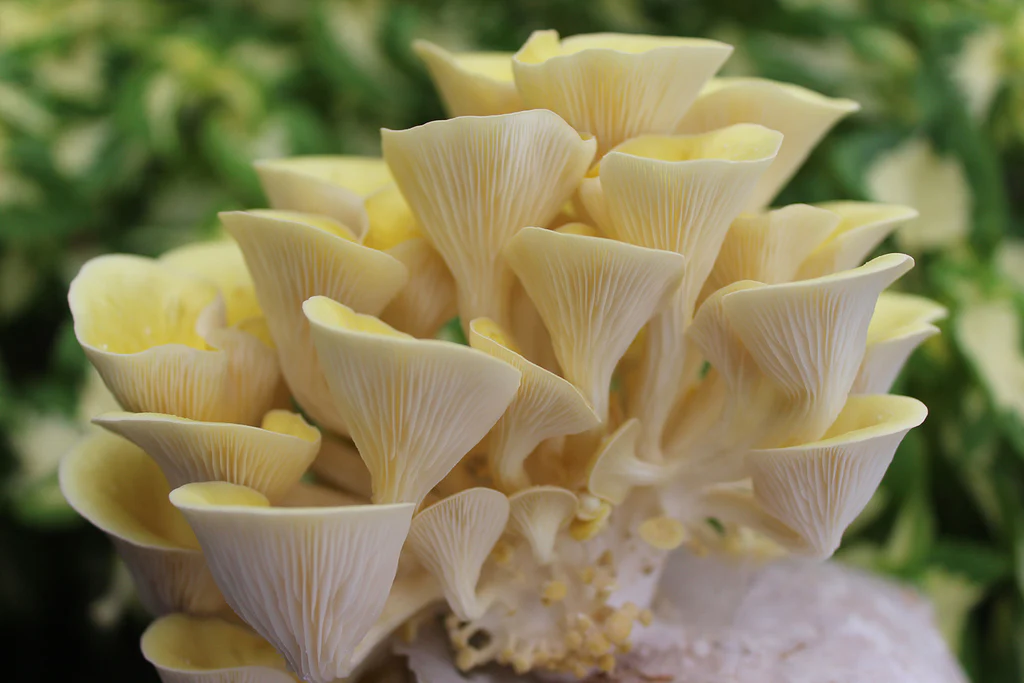
Forest’s Silent Wonders: Embracing the Unexpected Beauty of Mushrooms
When we think of beauty in nature, our minds often conjure images of vibrant wildflowers, majestic mountains, or the sweeping expanse of a starlit sky. But there’s a quieter, more understated form of artistry flourishing beneath our feet, a world of silent wonders that often goes unnoticed: the realm of mushrooms.
Far from being mere fungi associated with dampness or decay, mushrooms are nature’s own sculptors, architects, and jewelers, offering an incredible spectrum of forms, colors, and textures that can truly mesmerize if we only take the time to look closer.
A Kaleidoscope of Form and Color
Forget the generic image of a red-capped toadstool (though even that is undeniably charming!). The mushroom kingdom boasts an astonishing diversity. You’ll find:
Classic Umbrellas: From the sturdy boletus to the delicate parasol, each cap unique in its curve and breadth.
Whimsical Shelf Fungi: Adorning tree trunks like intricate, layered sculptures, often in earthy tones but sometimes with surprising splashes of orange or purple.
Delicate Cups and Goblets: So tiny they seem to belong in a fairy’s tea set.
Brain-like Morels: Their pitted, convoluted caps a textural delight.
Coral Fungi: Sprouting like miniature underwater gardens in shades of white, pink, or yellow.
Starfish-like Earthstars: Unfurling from the forest floor with a dramatic flair.
And the colors! While many adopt the comforting browns, creams, and grays of their forest home, others burst forth in an explosion of jewel tones: ruby reds, sapphire blues, canary yellows, and deep purples. Some even possess an iridescent sheen, shimmering under the dappled sunlight.
Intricate Details and Textural Marvels
The beauty of a mushroom isn’t just skin deep. Flip one over, and you’ll discover a world of intricate design. The delicate lace-like patterns of gills, the precise arrangement of pores, or the subtle network of veins on the underside of a cap are miniature architectural wonders.
Run a finger over their surfaces (if you’re sure it’s safe to touch!), and you’ll encounter a rich tapestry of textures: the velvety softness of certain caps, the slimy sheen of a freshly emerged specimen, the rough, scaly elegance of others, or the woody resilience of a bracket fungus. Each texture tells a story of its environment and its unique biology.
Ephemeral Magic and Silent Contributions
Perhaps the most enchanting aspect of mushroom beauty is their transient nature. They often appear as if by magic after a rain shower, seemingly overnight, only to transform and disappear just as swiftly. This fleeting presence imbues them with a sense of wonder, making each sighting a precious, momentary gift from nature.
Beyond their visual appeal, there’s a profound beauty in their ecological role. These silent decomposers are the unsung heroes of the forest, breaking down organic matter and recycling nutrients, allowing new life to flourish. Their intricate mycelial networks, often hidden beneath the soil, represent an enormous, unseen web of life, connecting plants and playing a vital part in the health of entire ecosystems.
So, the next time you find yourself strolling through a forest, backyard, or even just glancing at a patch of moss, pause. Lower your gaze and open your eyes to the ground beneath your feet. You might just discover a silent symphony of shapes, colors, and textures, a miniature world of unexpected beauty waiting to be admired. The humble mushroom, in all its varied glory, is a testament to nature’s endless artistry, reminding us that true beauty often thrives in the most unexpected and overlooked places.