
Beyond the Button: Uncovering the Antioxidant & Anti-inflammatory Power of Mushrooms
For centuries, mushrooms have graced our plates, celebrated for their unique flavors and textures. But these humble fungi are far more than just a culinary delight. Emerging scientific research is increasingly revealing that mushrooms are veritable powerhouses, packed with compounds that offer incredible antioxidant and anti-inflammatory benefits, making them unsung heroes in the pursuit of optimal health.
Let’s delve into the fascinating science behind why you should be adding more mushrooms to your diet.
The Antioxidant Army: Fighting Free Radicals
Our bodies are constantly under attack from “free radicals” – unstable molecules produced by natural metabolic processes and external factors like pollution, UV radiation, and stress. These free radicals can cause “oxidative stress,” damaging cells, DNA, and contributing to aging and a host of chronic diseases, including heart disease, cancer, and neurodegenerative disorders.
Enter the mighty mushroom. Many varieties are rich in a diverse array of antioxidant compounds that act as molecular superheroes, neutralizing these harmful free radicals. Some key players include:
Ergothioneine: Often called the “master antioxidant,” ergothioneine is unique because it’s an amino acid that our bodies cannot produce, and mushrooms are one of the richest dietary sources. It’s thought to protect cells from oxidative damage, particularly in areas highly susceptible to stress like the liver and eyes.
Selenium: Many mushrooms, especially shiitake and cremini, are excellent sources of this essential trace mineral, which is a powerful antioxidant and plays a crucial role in immune function.
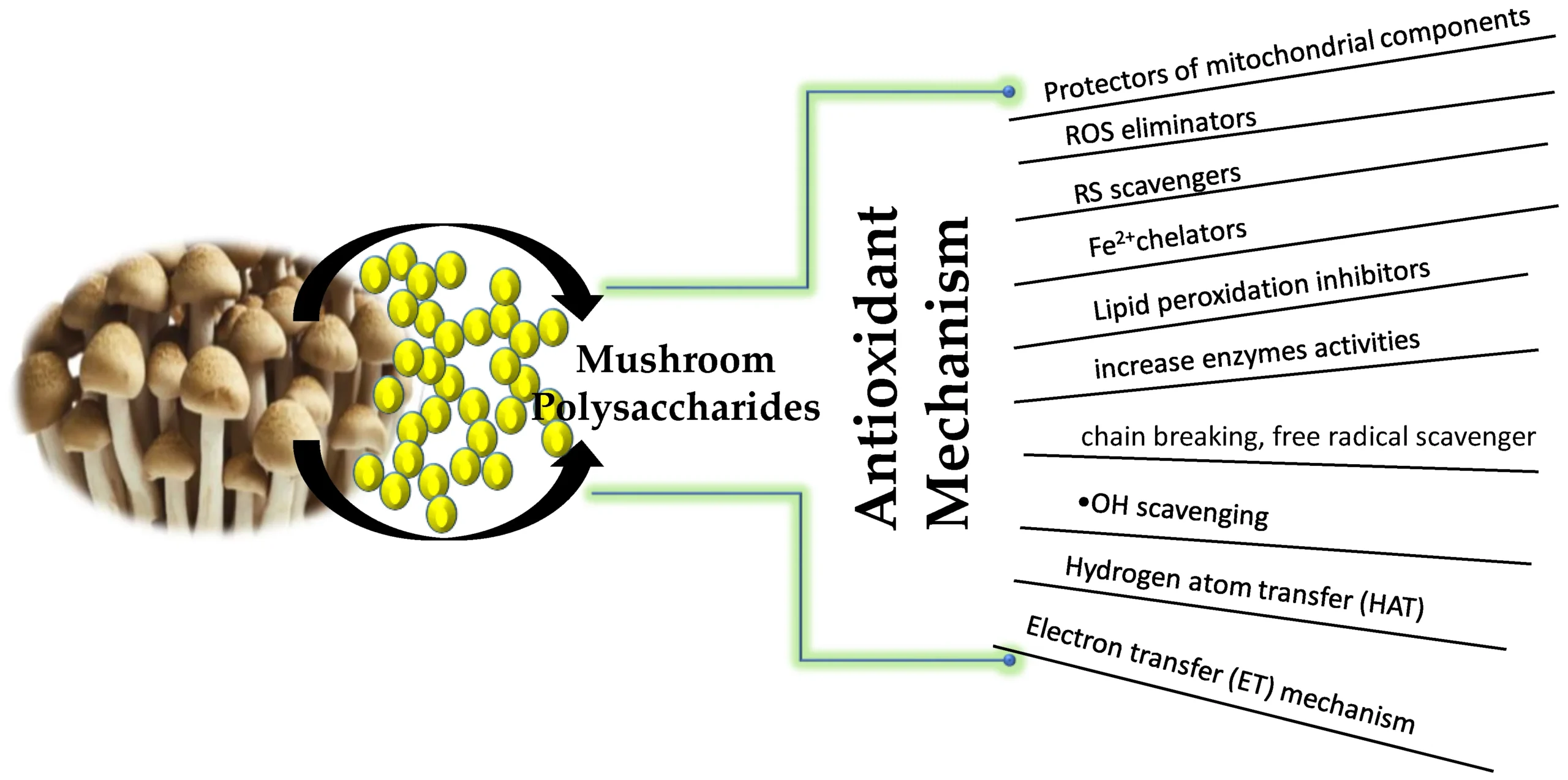
Polysaccharides: These complex carbohydrates, particularly beta-glucans, found abundantly in medicinal mushrooms like Reishi, Shiitake, and Turkey Tail, have potent antioxidant effects in addition to their immune-modulating properties.
Vitamin C, Glutathione & Phenolic Compounds: While not as high as some fruits, mushrooms still contribute to our daily intake of these well-known antioxidants.
By incorporating mushrooms into your diet, you’re essentially arming your body with a molecular shield, helping to combat cellular damage and promote long-term cellular health.
Quelling the Flames: Mushrooms as Anti-inflammatory Agents
Inflammation is your body’s natural response to injury or infection – a crucial process for healing. However, when inflammation becomes chronic, it can be detrimental, silently wreaking havoc on your tissues and organs. Chronic inflammation is linked to some of the most pervasive health issues of our time, including arthritis, heart disease, diabetes, certain cancers, and autoimmune disorders.
This is where mushrooms shine once again. Their unique bioactive compounds possess remarkable anti-inflammatory properties, helping to modulate and calm overactive immune responses.
Polysaccharides (especially Beta-Glucans): These aren’t just antioxidants; they’re also potent immune modulators. They can interact with immune cells, helping to regulate inflammatory pathways and reduce the production of pro-inflammatory cytokines (signaling molecules that drive inflammation).
Triterpenes: Found abundantly in “medicinal” mushrooms like Reishi and Chaga, triterpenes are compounds known for their strong anti-inflammatory effects. They can inhibit enzymes involved in inflammatory processes, helping to reduce pain and swelling.
Ergosterol: This precursor to Vitamin D2 in mushrooms can also exhibit anti-inflammatory activity.
By helping to keep inflammation in check, mushrooms contribute to a more balanced immune system, potentially alleviating symptoms of inflammatory conditions and supporting overall well-being.
Harnessing the Power: How to Enjoy Your Mushrooms
You don’t need exotic species to reap these benefits, though many medicinal mushrooms offer concentrated effects. Even common varieties like white button, cremini, portobello, shiitake, and oyster mushrooms offer significant antioxidant and anti-inflammatory compounds.
Here are some easy ways to incorporate more mushrooms into your diet:
Sautéed side dish: A simple pan-fry with garlic and herbs is always a winner.
Soups and stews: Mushrooms add an umami depth and a boost of nutrients.
Stir-fries: A quick and easy way to add a variety of vegetables and mushrooms.
Omelets and scrambles: Elevate your breakfast with some sliced mushrooms.
Roasted with vegetables: A delicious and healthy sheet pan meal.
Powders and Extracts: For medicinal mushrooms like Reishi, Lion’s Mane, and Turkey Tail, consider adding their powdered forms or extracts to smoothies, coffee, or tea.
A note on cooking: Gently cooking mushrooms can actually enhance the bioavailability of some of their beneficial compounds, making them easier for your body to absorb.
The Bottom Line
From the humble button to the majestic reishi, mushrooms are truly nature’s pharmacy. Their rich profile of antioxidants and anti-inflammatory compounds offers a compelling reason to make them a regular part of your diet. So, the next time you’re planning a meal, remember these fungi aren’t just flavor enhancers – they’re allies in your quest for a healthier, more vibrant life.
Always consult with a healthcare professional or registered dietitian before making significant changes to your diet, especially if you have underlying health conditions or are taking medications.