
More Than Just Food: 5 Amazing Advantages of Growing Mushrooms at Home
Mushrooms—the mysterious, earthy fungi that add flavor and heft to every meal. If your current relationship with them involves grabbing a plastic-wrapped container of button mushrooms at the grocery store, you are missing out on an incredibly rewarding, delicious, and surprisingly easy hobby.
Growing mushrooms at home is often mistakenly viewed as a complicated science project. In reality, thanks to modern growing kits and simple techniques, anyone with a damp kitchen towel and a little patience can become a mushroom farmer.
If you’ve been looking for a sustainable, tasty, and uniquely satisfying new venture, here are the top five advantages of bringing the magic of mycology into your home.
- Unrivaled Freshness and Gourmet Flavor
The single greatest benefit of home cultivation is the dramatic improvement in quality and taste.
A mushroom purchased from a store may have traveled hundreds of miles and sat in cold storage for days, resulting in a loss of texture and flavor. Mushrooms are highly porous and quickly lose moisture and vitality once picked.
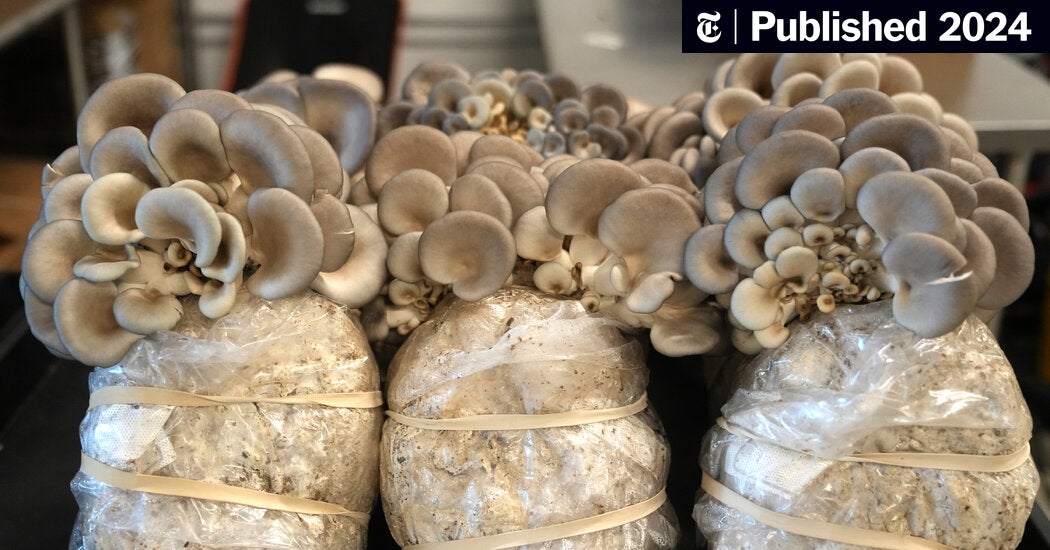
When you grow them yourself, you move from log to plate in mere minutes. Imagine harvesting shimmering pink Oyster mushrooms or robust, meaty Lion’s Mane just as they reach peak maturity.
Firm Texture: Homegrown mushrooms are wonderfully firm and crisp, unlike the sometimes rubbery store-bought varieties.
Intense Flavor: The earthy, umami notes are significantly more pronounced when they haven’t had time to degrade in transit.
Choice of Variety: You aren’t limited to Shiitake and Cremini. Home growing opens the door to spectacular gourmet varieties like King Trumpet, Blue Oyster, and Chestnut mushrooms.
- Significant Cost Savings on Gourmet Varieties
Let’s talk economics. Common button mushrooms are cheap, but gourmet varieties are often prohibitively expensive at specialty grocery stores. Lion’s Mane can retail for $18 to $30 per pound, and exotic Oysters aren’t far behind.
When you invest in a simple spore syringe or a ready-to-fruit block, your return on investment (ROI) is stellar.
A quality growing kit, which costs roughly the price of two small packages of store-bought gourmet mushrooms, can often yield 2–3 successful harvests over several weeks. You are effectively producing several pounds of high-value, organic food for a fraction of the retail price.
If you get serious and start cultivating your own substrates (growing medium) from basic materials like sawdust or grain, your cost per pound drops even further, making gourmet dining a weekly reality, not a pricey splurge.
- Total Control Over Health and Substrate
When you buy produce, you inherently trust the farming practices of the supplier. But with home-grown mushrooms, you are the farm manager.
Mushrooms, especially those used for medicinal purposes (like Reishi or Cordyceps), are known to absorb elements from their substrate—the material they grow on. If the substrate is contaminated or treated with pesticides, the mushroom absorbs it too.
Growing at home allows you to ensure your mushrooms are:
100% Organic: You control the substrate materials, guaranteeing they are pesticide-free and non-GMO.
Clean and Safe: You know the water source and the environment are clean, eliminating worries about bacterial contamination sometimes associated with produce shipped in bulk.
- The Ultimate Low-Maintenance Indoor Hobby
Unlike vegetable gardening, which demands sunlight, dedicated outdoor space, and often daily watering, mushroom growing is incredibly accessible, even in the smallest city apartment.
They Don’t Need Sunlight
Mushrooms require humidity and fresh air, but they do not need direct sunlight. A shady spot in your kitchen, pantry, or even a bathroom with high humidity is the perfect environment.
Instant Gratification
Mushrooms grow fast. Once a kit begins to fruit (a process called pinning), you can often see visible growth day-over-day. Watching tiny pins transform into dinner-plate-sized clusters in less than a week provides an immediate, addictive burst of accomplishment that few other indoor hobbies can match. It’s truly fascinating to watch nature’s speediest recycler at work.
- A Step Towards Sustainable Living
Mushrooms are nature’s recyclers. They break down organic matter, turning waste into nutrient-rich food. This characteristic makes home mushroom cultivation a remarkably sustainable practice.
You can often inoculate mycelium (the root structure of the fungus) into materials that would otherwise be thrown away, such as:
Used Coffee Grounds: Spent coffee grounds are an excellent, readily available nitrogen source for many mushroom varieties (especially Oyster mushrooms).
Wood Scraps and Sawdust: If you have access to hardwood sawdust (untreated, non-pressure-treated), you have the perfect base for many gourmet species.
Cardboard and Straw: These bulky materials can be sterilized and used as low-cost growing media.
By using waste streams to grow gourmet food, you significantly reduce your personal food miles and participation in the waste economy.
Ready to Start Your Fungal Fun?
If the idea of biting into a perfectly fresh, meaty oyster mushroom that cost you pennies to grow sounds appealing, it’s time to start your journey.
The barrier to entry is lower than ever. Forget complex sterilization labs; simply grab a pre-inoculated mushroom growing kit—these blocks come ready to fruit and are perfect for beginners. Within 10 days of opening the box and misting them consistently, you can be harvesting your very first flush of delicious, beautiful, homegrown fungi.
Happy growing!